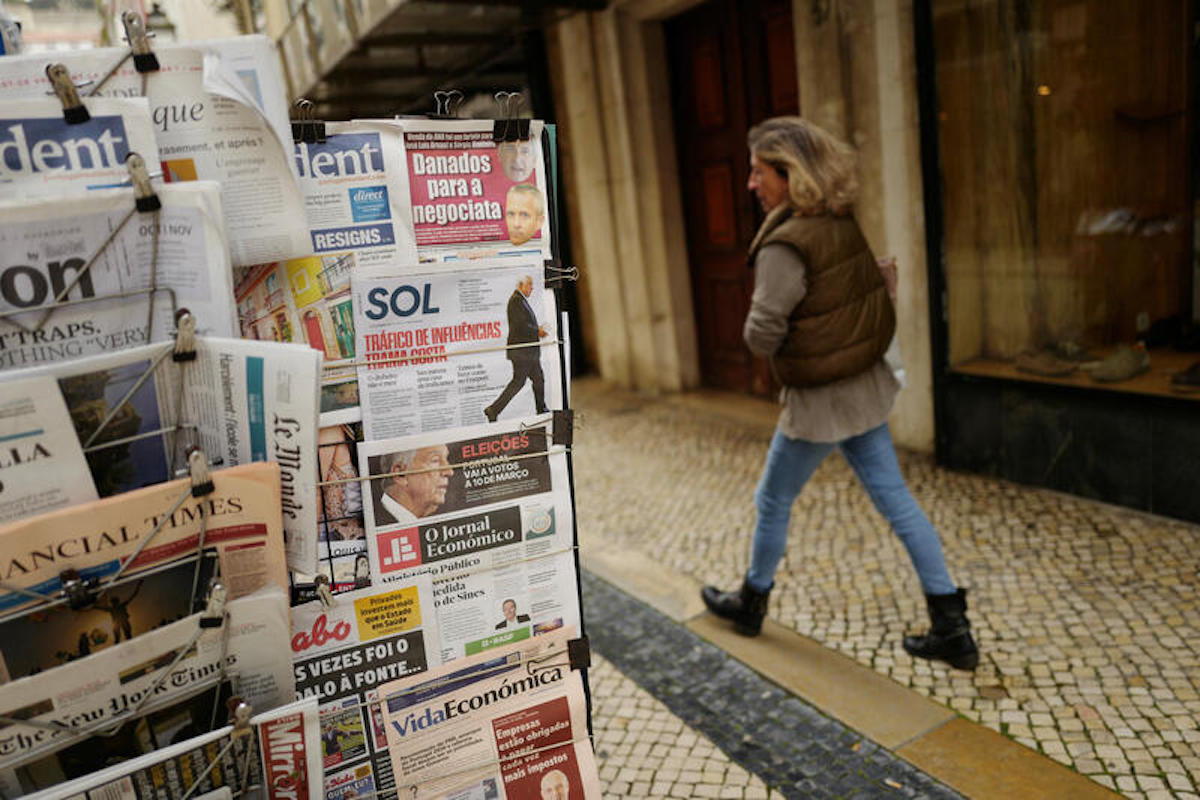
A woman passes by a newspaper stand, a day after Portugal's President Marcelo Rebelo de Sousa announced his decision to dissolve parliament triggering snap general elections on March 10th 2024, after Prime Minister Antonio Costa resigned due to an ongoing investigation on the alleged corruption in multi-billion dollar lithium, green hydrogen and data centre deals, in Lisbon, Portugal, November 10, 2023. REUTERS/Pedro Nunes - RC2AA4AP9DS5
===INTRO:===
In recent years, the landscape of education has undergone a vibrant transformation, fueled by the dynamic currents of cultural change sweeping across societies worldwide. As communities become more diverse and interconnected, classrooms are evolving into lively hubs of multicultural exchange and inclusivity. Simultaneously, innovative technological advances and shifting societal values are reshaping how we teach and learn, making education more engaging, accessible, and relevant than ever before. This article explores the exciting cultural shifts that are driving these positive changes, illuminating a future where learning is a joyful, inclusive adventure.
Embracing Diversity: How Cultural Changes Are Shaping Classrooms
The modern classroom is a colorful mosaic of cultures, languages, and perspectives. As societies embrace multiculturalism and inclusivity, educators are increasingly incorporating diverse narratives into their curricula, enriching students’ understanding of the world. This shift fosters empathy and appreciation for different backgrounds, helping students see the value in varied viewpoints and traditions. From celebrating international holidays to using multilingual resources, classrooms are becoming vibrant spaces where diversity is not just acknowledged but celebrated.
Moreover, the rise of technology has bridged gaps, allowing students from different parts of the world to collaborate effortlessly. Virtual exchange programs, multicultural projects, and global classrooms enable students to interact with peers from various cultures without leaving their schools. These experiences cultivate global citizenship, encouraging young minds to think beyond borders and appreciate the interconnectedness of our world. Such cultural exchanges are shaping a generation that values inclusivity and mutual respect as fundamental pillars of society.
Finally, the cultural shift toward equity and social justice is inspiring educational institutions to reevaluate their practices. Schools are adopting more inclusive teaching methods, addressing biases, and creating safe spaces for marginalized groups. Initiatives like anti-bias training and culturally responsive teaching aim to ensure every student feels seen, heard, and valued. As a result, classrooms become microcosms of a more just and empathetic society—one where diversity is not just tolerated but embraced as a vital source of strength and inspiration.
Innovation in Learning: The Joyful Evolution of Education Today
Innovation is at the heart of the joyful evolution of education. Today’s classrooms harness the power of technology—think virtual reality field trips, gamified lessons, and interactive apps—that make learning an exciting adventure. These tools transform traditional teaching into engaging experiences that stimulate curiosity and creativity. Students are no longer passive recipients of information; they’re active explorers, discovering knowledge through playful and immersive methods.
Furthermore, the emphasis on personalized learning reflects a cultural shift toward valuing individual differences and needs. Adaptive learning platforms analyze each student’s strengths and challenges, tailoring lessons to their unique pace and style. This approach empowers learners, boosting confidence and fostering a love for knowledge. It also encourages teachers to become facilitators and guides, nurturing each student’s potential in a supportive and dynamic environment.
The rise of collaborative and project-based learning illustrates a broader cultural move toward community and real-world relevance. Students work together on meaningful projects, developing critical thinking, communication, and teamwork skills. These experiences mirror the realities of modern work and life, making education not just about acquisition of facts but about preparing for a vibrant, interconnected world. The joyful evolution of education, therefore, is about creating spaces where curiosity is celebrated, individuality is honored, and learning becomes an exciting journey of discovery.
===OUTRO:===
As cultural shifts continue to shape the modern education landscape, the future looks brighter and more inclusive than ever. Embracing diversity enriches classrooms with a wealth of perspectives, fostering empathy and global understanding. Meanwhile, innovative teaching methods and technologies transform learning into a joyful, personalized adventure that sparks curiosity and creativity. Together, these cultural currents are crafting an educational experience that is dynamic, equitable, and inspiring—setting the stage for a generation ready to thrive in an interconnected world full of endless possibilities.
About the Author