===INTRO:===
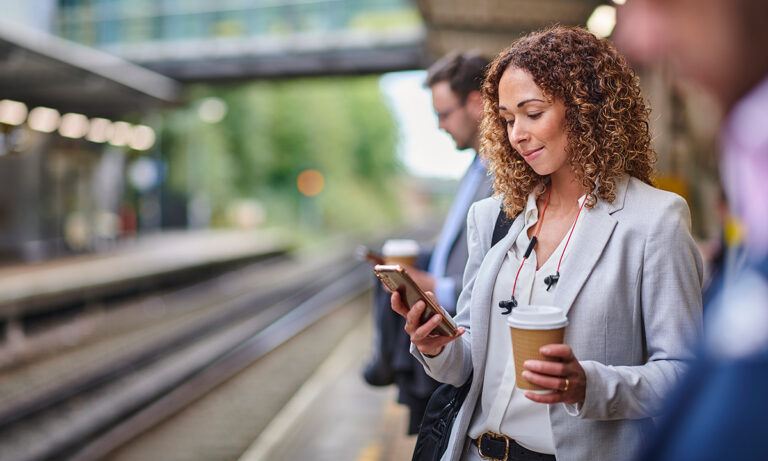
In the age of smartphones and endless scrolling, social media has become much more than just a place to share photos or catch up with friends — it’s now a powerful arena for political dialogue. Platforms like Twitter, Facebook, Instagram, and TikTok have transformed the way ideas are exchanged, opinions are formed, and movements are born. This digital shift has democratized political discourse, giving voices to those who might previously have gone unheard and creating a vibrant, sometimes chaotic, but undeniably influential space for civic engagement. As we dive into this new landscape, it’s clear that social media isn’t just a background feature of our political lives; it’s actively shaping them.
The digital revolution has turned traditional political debates into real-time, interactive conversations. No longer confined to televised debates or printed newspapers, political discourse now unfolds on timelines and feeds accessible 24/7. Citizens, politicians, activists, and influencers all contribute to a nonstop stream of commentary, analysis, and debate. This immediacy allows for rapid dissemination of information, mobilization of supporters, and the ability to hold leaders accountable instantly. However, it also introduces challenges like misinformation, echo chambers, and sensationalism, which complicate the democratic process in intriguing ways.
Moreover, social media has revolutionized political engagement by enabling participation beyond voting. People can now organize protests, fundraise for causes, or even run for office through digital campaigns. Hashtags like #BlackLivesMatter or #MeToo have sparked global conversations and inspired collective action across borders. This new form of discourse blurs the lines between spectators and participants, making political dialogue more inclusive but also more susceptible to polarization. In this dynamic environment, everyone has a voice — a double-edged sword that continues to reshape the landscape of political conversation.
The Digital Debate: How Social Media Sparks Political Conversations
Social media acts as a digital town hall, where political debates are no longer confined to traditional venues but spread across a global stage in seconds. These platforms enable users from diverse backgrounds to voice their opinions, challenge ideas, and debate policies in real-time. For instance, a single tweet can ignite discussions that ripple through the internet, influencing public opinion and even prompting policy responses. This immediacy has democratized political debate, allowing everyday citizens to participate in conversations that were once limited to political elites and journalists.
Furthermore, social media facilitates the rapid exchange of information, providing instant updates during elections, crises, or legislative developments. Citizens can share news, fact-check politicians, and critique policies instantly, creating an environment where misinformation can spread just as quickly as truth. Algorithms tend to amplify sensational or emotionally charged content, which can intensify debates but also distort facts. Nonetheless, this environment encourages a more engaged and aware populace, where people are not just passive consumers of news but active participants in shaping the narrative.
Another fascinating aspect is how social media personalizes political discourse. Through targeted content, users are exposed to viewpoints aligned with their interests, which can reinforce existing beliefs or challenge them. While this creates vibrant, niche communities dedicated to specific issues, it can also lead to polarization, as users become echo chambers that rarely encounter opposing perspectives. Despite these pitfalls, social media remains a dynamic platform that sparks lively debates, making politics more accessible and immediate for millions around the world.
From Tweets to Movements: Social Media’s Role in Shaping Politics
Social media has the uncanny ability to turn a single post into a social movement. The power of hashtags like #ArabSpring or #MarchForOurLives illustrates how digital platforms can catalyze real-world change. These online campaigns mobilize supporters, attract media attention, and pressure policymakers to act. Social media’s reach allows grassroots movements to gain momentum quickly, bypassing traditional gatekeepers and creating a sense of collective purpose among diverse groups.
Additionally, social media empowers politicians and activists to communicate directly with constituents without intermediaries. This direct line fosters a sense of authenticity and intimacy, helping leaders rally support and explain policies in relatable ways. For example, during election seasons, candidates often use social media to showcase their personalities, share behind-the-scenes moments, and engage with voters in a conversational tone. This shift has transformed political branding, making politicians more approachable and responsive, thereby reshaping the relationship between the electorate and their representatives.
Social media’s influence extends beyond individual campaigns and protests—it’s reshaping entire political cultures. Digital platforms encourage transparency, accountability, and immediacy, which can challenge corrupt practices and promote civic participation. However, the same tools can be exploited for misinformation, manipulation, or to spread divisive content. As social media continues to evolve, its role in shaping politics is undeniable: it’s a double-edged sword that offers unprecedented opportunities for engagement while demanding vigilance against its pitfalls. Regardless, one thing is clear — the digital age has irrevocably transformed the political landscape, making it more interconnected, instant, and dynamic than ever before.
===OUTRO:===
As social media continues to weave itself into every thread of our political fabric, one thing remains certain: the conversation is never truly over. These platforms have unlocked new avenues for participation, activism, and dialogue that empower individuals like never before. While challenges such as misinformation and polarization persist, the overall impact is a more engaged, informed, and connected public. The digital revolution in political discourse is still unfolding, promising a future where democracy is more accessible and voices more amplified — for better or for worse. One thing’s for sure — in this brave new world, social media isn’t just observing politics; it’s actively shaping its course.
About the Author